Speech in Memory, Writing in the World
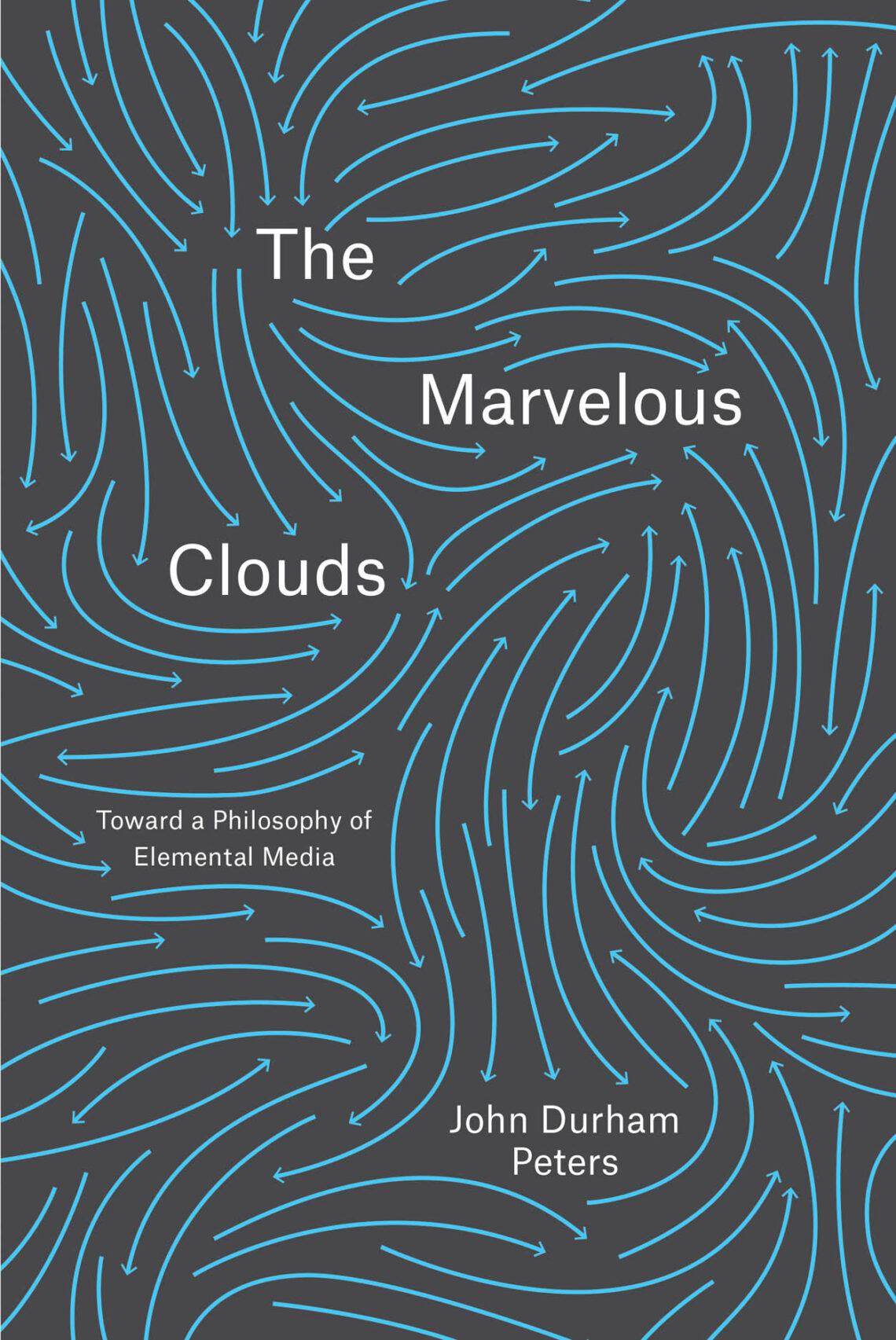
"Writing is not only bodily; it is also always material and worldly. Though speech
can have enduring consequences, its medium of record–memory and lived practice–is
comparatively ephemeral and immaterial" (John Durham Peters, The Marvelous Clouds,
University of Chicago Press)
The Lasting Power of Words: Speech, Memory, and Writing
Peters raises an interesting point in this passage–that speech is not permanent, but
writing is; that speech only continues to exist in our memory. To me, speech has always felt just as permanent as writing. Yes, people forget what others tell them,
but that does not necessarily mean that our conversations are forever forgotten or
that they hold less significance. Conversations, as serious as an argument to joking
around, can stay in our minds for years, if not forever. That being said, it was
extremely intriguing to read that speech is considered to be short lived.
However, the more I thought about Peters’point I realized the bigger picture: while spoken language does have a lasting impact, it does not have the same effect and
presence that writing does. When we speak, our words disappear immediately after we
say them, unless they are recorded in some manner. Most of the time, though, there is
no object left behind. In comparison, writing leaves an actual physical trace–whether
that is on paper, on our screens, on stone, etc–this is what makes it part of the
physical world in a way speech isn\'t.
Reflecting on this point even further, it opened a broader understanding as to why
writing is so important. For instance, so many areas in life rely on our words being
physically recorded. Things as crucial as laws, documents, and contracts, to records
that are not as major such as recipes, music, and texts are reliant on our written
words. Without it, none of those would exist in the same way if they were not written
down. If not recorded, they could be changed and/or misinterpreted. Peters claims that
writing is “material and worldly,” and I understand why. Writing physically exists in
the world while speech, in many instances, just passes through it.
This concept of writing being permanent reminded me of a discussion I had in another
media and communication class regarding social media and its lasting effect. More
specifically, how our words on social media lasts forever, even if we delete a post.
This reinforces Peters’ point even more: once something is written it enters the
physical, and digital world in this case, in a way that can not be undone. On social
media, our statements are traced back to us whereas they would be left in our
memories, or forgotten, if they were said out loud.
On the one hand, I feel that Peters’ argument has some complexities to it, especially
considering how people can and do in fact remember what is told to us. However, I also do agree with Peters that writing is more permanent or has more of a lasting effect since it leaves an actual trace. Speech lives on in our memories, but writing becomes a part of the real, physical world. It is something we can return to and build on; that is what gives it its power.